
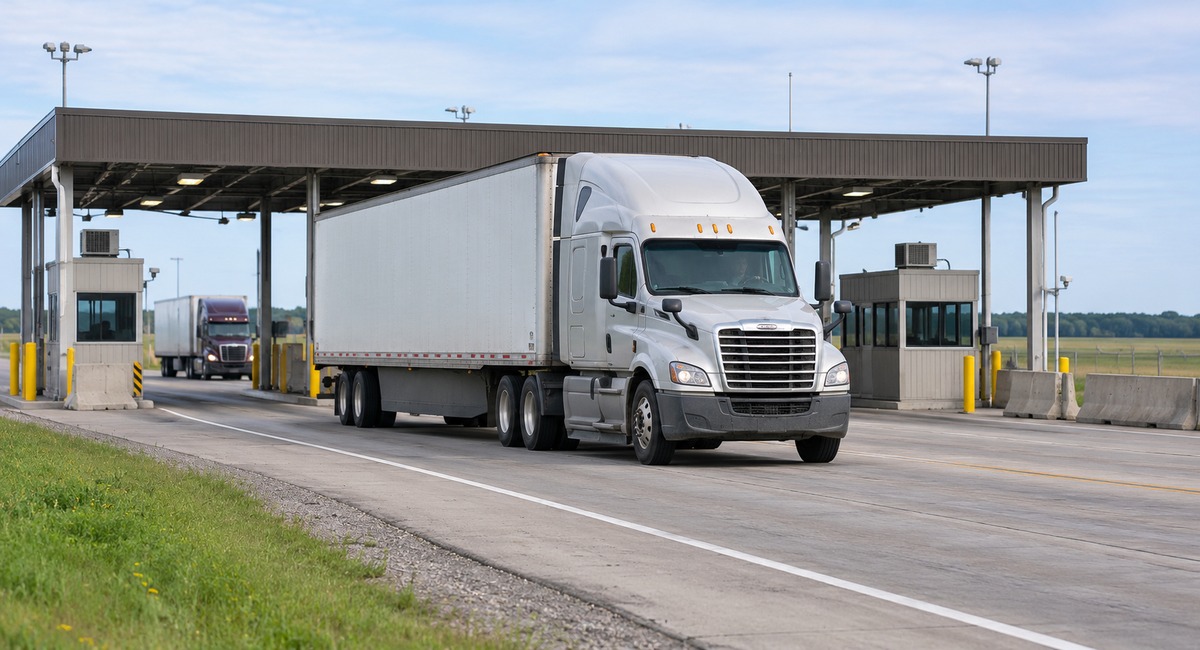
Ottawa extended broad tariff remission for specified uses of U.S. goods to June 30, 2028 on Nov. 9. The Department of Finance also set earlier dates for removing horizontal relief on certain products it identified as having domestic production. Certain trailers are affected Dec. 1, 2026. Certain aluminum wire and extrusions and paperboard products follow on Feb. 1, 2027. A Canadian importer can face both developments at once if its purchasing list spans several categories.
Finance said the changes expand relief to include non-steel goods used in mining, quarrying or oil and gas extraction and goods used by public education entities, including those mandated by Indigenous organizations. It also announced targeted relief for certain goods in short supply and for specific companies in exceptional circumstances. Businesses need to match their imports and end uses to the applicable schedules and have a customs professional confirm whether a particular shipment qualifies.
A large trading relationship with very different exposures
Statistics Canada’s September merchandise report, published Nov. 4, put exports to the United States at $55.2 billion in its chart table. Imports from the United States were $42.8 billion at the chart’s precision. The release reported a $12.3 billion bilateral surplus using the underlying data. Exports rose 0.7% on the month, supported by crude oil and unwrought gold. That mix helps explain why the strength of the headline number can coexist with pressure at a Canadian business that buys U.S. parts or sells a tariff-sensitive product.
The chart traces Canadian merchandise exports to the United States over 15 months. The nominal values are influenced by prices and changes in product mix. They describe how much was shipped in dollar terms. A manufacturer’s inventory budget depends on a narrower set of facts, including which goods cross the border, whether the customer reimburses a surtax and how long it takes to find an alternative supplier.
Nominal merchandise exports to the United States rose from $42.8 billion in January to $55.2 billion in September. The series predates the Nov. 9 remission announcement.
Put the duty in the cash forecast
Ask management or its customs broker for the short list of affected items with classification, country of origin, end use and first expected entry after the applicable change. Match those shipments to the purchase orders and customer contracts. The business may be able to reprice new orders sooner than existing ones. A firm could also have to fund a larger inventory balance before the first higher-priced sale converts to cash.
For example, consider an importer whose biggest customer pays well after the supplier invoice is due. Even if the client can ultimately pass through the incremental duty, that collection lag can increase the peak draw on its credit line. In a second scenario, use a lower-margin order that the client must fill under existing terms. This gives the business owner and lender two separate estimates to discuss, one for cash timing and one for profitability.
A review ahead of Dec. 1 can focus on trailer orders already in transit and the dates those orders are expected to enter Canada. For the February group, check whether a domestic quote covers the required specification and delivery schedule. Advisers can help owners decide when to revise distributions or reserve cash while the broker confirms the treatment. The date on the operating forecast should come from the relevant shipment and the verified terms of the relief.