CoreWeave helped technology shares recover on November 11 even as hotter U.S. inflation kept December rate expectations under pressure; with Treasury cash trading closed for Veterans Day, the equity rebound lacked a same-day bond-market verdict.
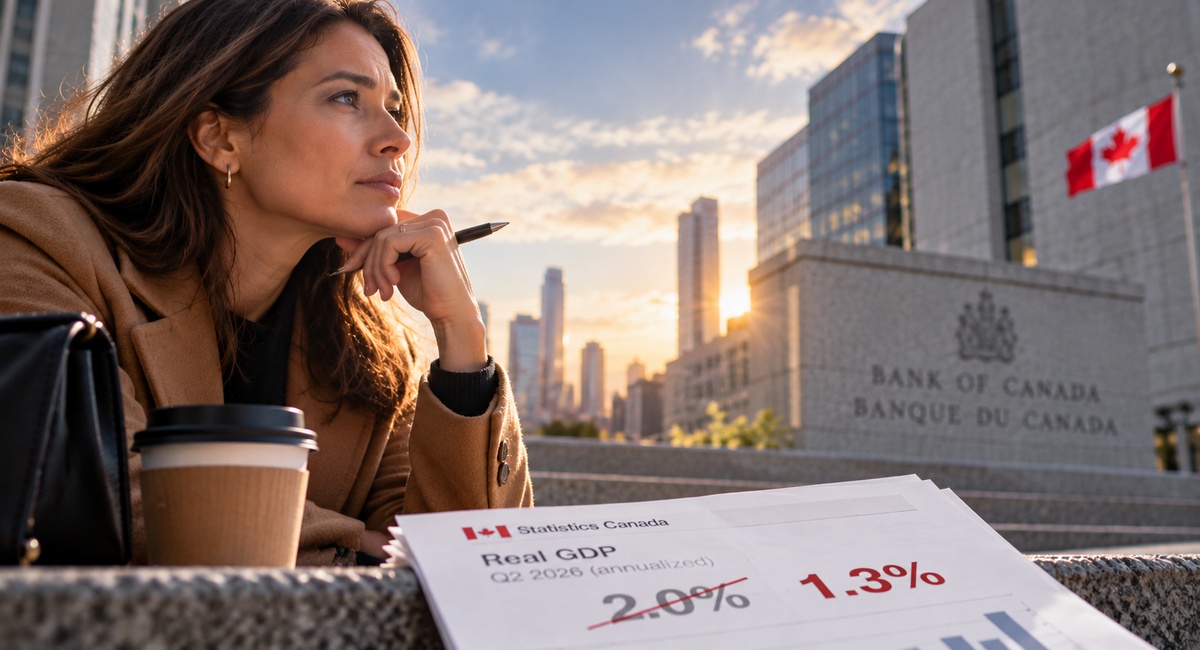
October U.S. CPI rose 0.4% as oil fell to its lowest area since August. Bank of Canada minutes published the same day reveal how much the Canadian rate case depends on the opposite assumption, leaving the currency and TSX caught between two inflation paths.
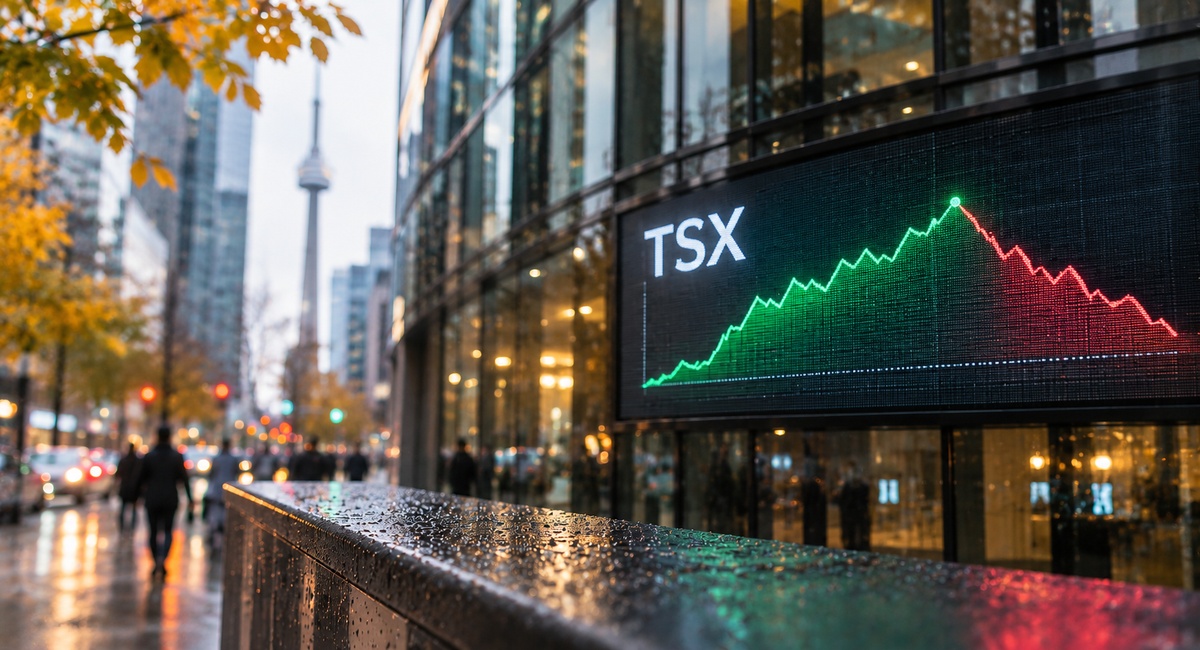
Toronto rallied to a two-month high as crude retreated on Iran peace expectations, even though attacks near Hormuz kept the physical supply risk unresolved.
October employment diverged across the border: Canadian unemployment rose to 6.7% while the U.S. rate fell to 4.1%. The split sharpens the December rate dilemma after Thursday’s AI selloff.
Wednesday priced one channel of the election and Thursday delivered another, leaving two central banks conditioned on an oil price that moved on politics rather than on a ceasefire.
Over 22 sessions of the war-driven oil spike, daily WTI moves explained 0.2% of the TSX daily variance. Wednesday rally priced a peace and tariff relief that left the Canadian 10-year yield near 3.74%.
Gold, real estate and materials led the index higher as Brent fell 7.6% to US$104.77, but the close recovered only 29% of the loss on Friday while the premise for the Bank of Canada hike stayed intact.