
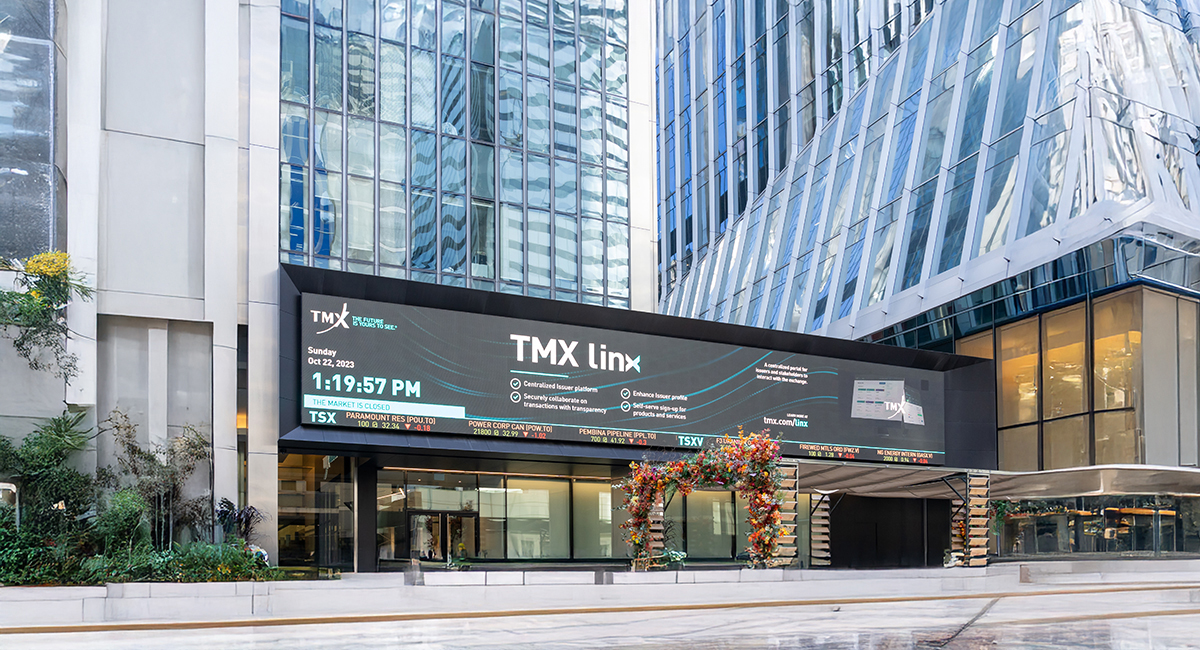
The S&P/TSX Composite closed at 34,856.99 today, up 33 points, finishing Q2 with a 6.4% gain and its eighth straight quarterly advance, the longest such run since the string from January 1995 to October 1996. Underneath the index number, the quarter told a completely different story than the one it opened with.
In April, when the Hormuz disruption was still acute and WTI was trading in the nineties, the working assumption was that Q2 would be defined by Canadian energy. Oil-weighted portfolios would benefit from elevated prices. Gold would compound those gains as a geopolitical hedge. The TSX would outperform the S&P 500 for once, driven by its commodity tilt rather than despite it. None of that happened. Oil fell approximately 24% in Q2, its worst quarter since 2020. Gold fell approximately 14%, its worst since Q2 2013.
The TSX gained 6.4% anyway. That number requires explanation.
The Index That Is No Longer a Commodity Index
The TSX's nominal composition still skews heavily toward financials at roughly 33% of market weight, with energy at 17% and materials at 12%. But the Q2 return attribution is unambiguous: financials, health care, and technology drove the gains. Materials and energy posted declines for the quarter. The index that gained 6.4% is structurally a financial-services index with commodity exposure that acted as a drag this quarter, not a tailwind.
This is the hidden message in today's close. The TSX is running its longest winning streak in three decades not because of oil and gold, the narrative assets of Canada's resource identity, but despite their worst quarter in years. The banks held it up. RBC gained 1% today alone. TD and BMO each added 0.6%. Through the quarter, Canadian financial stocks benefited from a resilient April GDP print, a BoC that stayed on hold at 2.25%, and a domestic credit environment that absorbed the USMCA uncertainty without deteriorating.
WTI's price trajectory across the quarter plotted against TSX financials and materials sector returns illustrates the divergence that became clear only at the close of Q2. The two commodity sectors that were supposed to define this quarter finished lower while the index hit an eight-quarter streak.WTI crude declined approximately $25 per barrel across Q2 2026 as the Hormuz MOU (June 17) and subsequent peace-talk trajectory unwound the war risk premium. TSX materials fell in tandem with gold; TSX financials gained through the same period, sustaining the index's eighth consecutive quarterly advance.
What Starts Tomorrow Changes the Q3 Setup
Three things begin Wednesday that were not yet live when the morning desks filed. The Trump administration is expected to formally declare it will not extend the USMCA for 16 years, starting a decade-long renegotiation clock. Fed Chair Warsh speaks at 13:00 GMT, his second public appearance since taking over, in a market now pricing a 75% probability of a September rate hike. And the June non-farm payrolls report arrives Thursday.
Each of those events would individually be significant. Together, they form a sequence that runs directly through the CAD, and through it, into every Canadian portfolio with cross-border exposure. The loonie closed at 0.7041 today, near its lowest level in a year, already pricing in the Fed-BoC rate differential. The BoC is at 2.25% and on hold. The Fed is at 3.50-3.75% and the market thinks it is going higher. If Warsh's Wednesday appearance reads as hawkish, and the jobs data prints strong Thursday, the rate differential widens further. The CAD is the pressure valve.
The morning Economy desk identified the BoC's dual-sided risk posture from its June deliberations: "weak" economy that is "not clearly in recession." April's +0.5% GDP number and May's 88,000-job surge complicate the BoC's ability to cut even if it wanted to. But the Geopolitical desk's read on the Doha talks adds a counterforce: if oil stays near $70, the headline inflation pressure from energy fades, and the BoC's logic for holding rates weakens rather than strengthens.
The second chart maps the Canada-U.S. rate differential and the CAD across Q2, the mechanism that connects all five desks this quarter.
The Canada-U.S. rate differential held near 1.375 percentage points through most of Q2 and began widening in the final weeks as Warsh's June 17 hawkish debut shifted September hike probability above 70%. The CAD tracked the differential lower, finishing Q2 near its 2026 low.
The Q3 Question That Cannot Be Answered Tonight
Canada enters Q3 with an economy that is stronger than it looked three months ago, an index that ran its longest winning streak in 30 years on the back of financial stocks rather than commodities, and a currency at near one-year lows because the Fed is more hawkish than the BoC. The April GDP rebound and May's employment surge give the BoC cover to stay on hold. But a Warsh hike in September, increasingly priced by markets, would widen the already substantial rate differential further, putting more pressure on the CAD and on the roughly half of TSX Composite revenues that are earned or priced in U.S. dollars.
The morning's Economy desk outlined the BoC's position: inflation near target on core measures, growth rebounding from a technically recessionary first quarter, but USMCA uncertainty and labour market normalization still creating uncertainty on both sides. That framing held through the morning. By 4:00 PM, the USMCA clock had effectively started: the Trump declaration expected Wednesday will turn what was a distant renewal negotiation into a live renegotiation with a ten-year horizon. Every Canadian company with U.S. market access now sits inside that uncertainty.
The quarter that just ended resolved two of its four big uncertainties partially: the Hormuz disruption is closer to resolution than it was in April, and Canada's recession risk has receded. The two uncertainties that remain, USMCA renegotiation and the Fed's rate path under Warsh, are both larger and more structural than the ones that faded. Q3 opens with a stronger economy, a cheaper currency, a TSX that has quietly restructured its return engine away from commodities, and a Federal Reserve that has not yet begun to hike. What happens when it does is the question that will define the second half.