
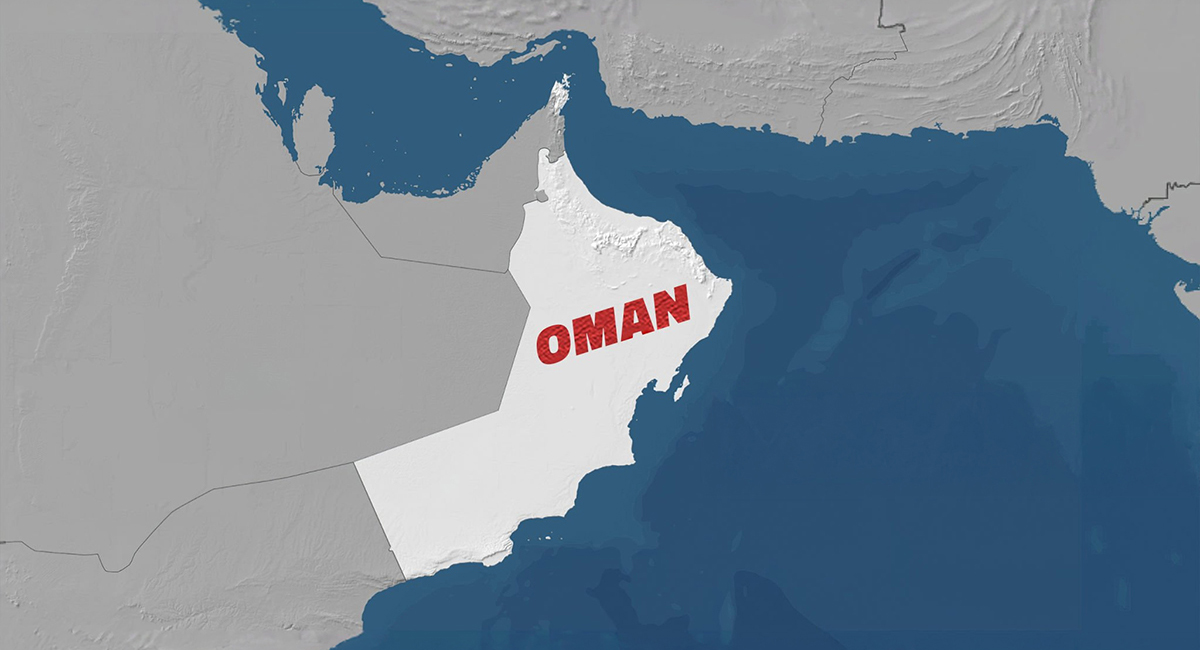
Iran's Deputy Foreign Minister Kazem Gharibabadi said on July 29 that Oman's proposal for joint oversight of the Strait of Hormuz had not addressed Tehran's concerns about control of the waterway. Iran countered with its own plan, one that keeps more authority over transit and tolls in Iranian hands. That is the state of the actual negotiation as of this week. WTI crude fell anyway, down 9.52% over the same seven trading days to $81.47 Friday morning.
The Canadian portfolio implication is direct. Oilsands producers on the TSX, Suncor, Canadian Natural, Cenovus, Imperial Oil, have carried elevated valuations for five months on the assumption that Middle East supply risk keeps a premium in the oil price. If WTI is falling because the market believes that premium is unwinding, and the underlying political dispute has not actually been resolved, energy sector valuations are being marked to a resolution that has not happened yet.
The Vessel Data Is Real. The Deal Isn't.
The case for the oil market's optimism is genuine. Kpler tracking data showed 14 commodity vessels transited the Strait of Hormuz in both directions on Wednesday, up from single digit daily crossings recorded the week before. Qatar dispatched its first LNG cargo through the strait since the disruption began. Shippers are finding operational routes through a conflict that is still, technically, ongoing.
That is a separate fact from a negotiated settlement. Iran and Oman have been exchanging competing proposals since an Omani delegation arrived in Tehran on July 24, with Iran's side reporting "progress" on July 26 without specifics, followed by the rejection of Oman's joint oversight framework on July 29. Operational traffic improving under a live dispute is not the same signal as a signed agreement, and oil is currently pricing something closer to the latter.
Tail Risk Versus Base Case
The base case, consistent with the pattern of the past five months, is that vessel traffic continues improving incrementally even without a final deal, because both Tehran and the shipping industry have commercial incentive to keep some commerce moving while the sovereignty question is negotiated. That base case supports oil continuing to grind lower toward the $80 support level WTI is testing now.
The tail risk is that talks break down the way they have more than once since the conflict began February 28, and strikes resume. The market has priced meaningful de-escalation into oil over the past week. A resumption would be a larger surprise, and a larger price move, than it would have been two weeks ago, precisely because so much optimism has already been built into the current level.
The three markers cluster inside a single week because the diplomatic exchange, the FOMC and Iran strike escalation, and the strike pause all landed within days of each other. Source: Al Jazeera, TradingEconomics.
The Saudi Naval Coalition Is the Next Signal to Watch
A third track has opened alongside the stalled bilateral talks and the vessel data. Reports this week indicated Saudi Arabia has proposed a naval coalition to safeguard regional trade routes, a multilateral security arrangement that would sit outside the Iran-Oman negotiation entirely. If that coalition takes shape, it would be a structural reason for shipping insurers and TSX energy analysts to treat vessel traffic improvements as durable rather than provisional, independent of whether Tehran and Muscat ever agree on tolls.
Until then, the honest read for a Canadian advisor is that oil's decline reflects a real and welcome operational improvement, not a resolved conflict. Client portfolios positioned as though the Hormuz risk premium has permanently unwound are exposed to the same headline risk that has repeatedly reversed de-escalation narratives since February.