
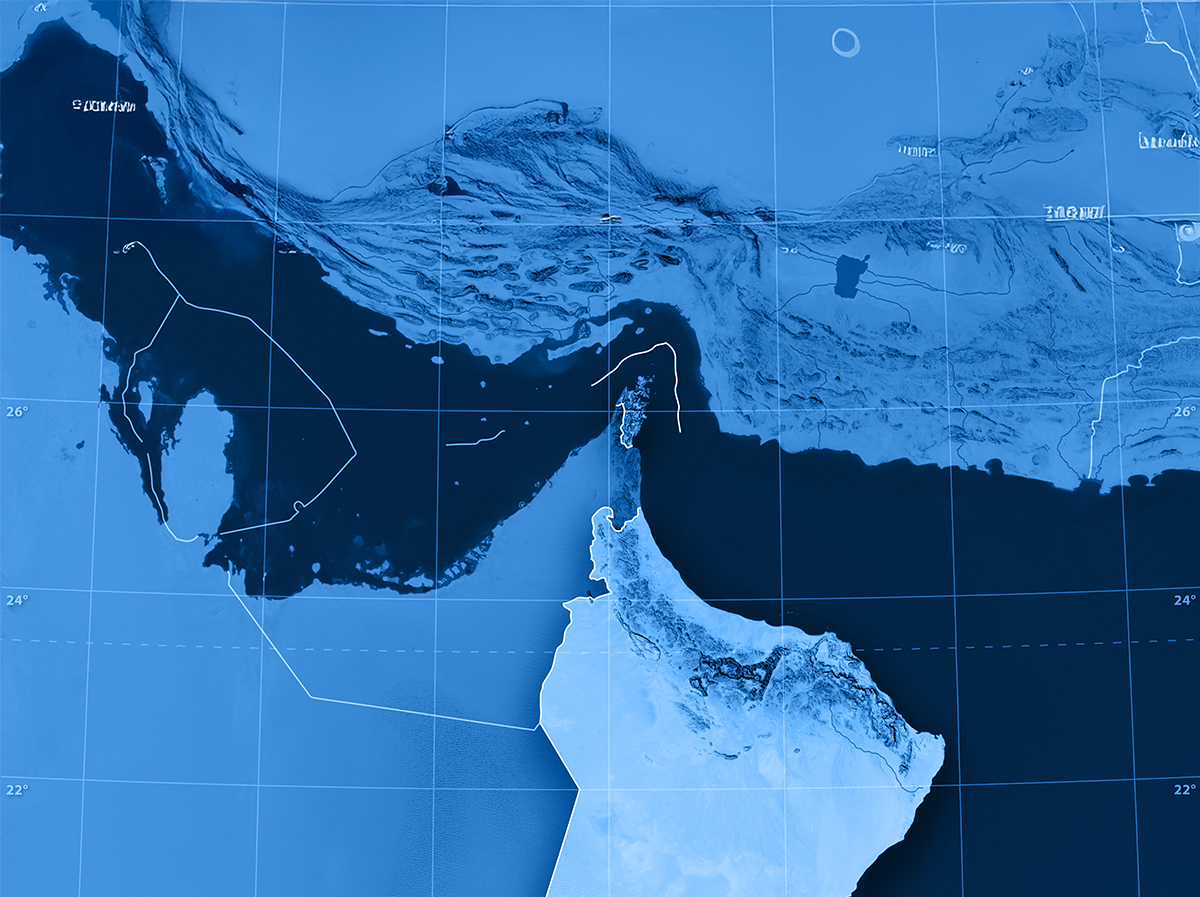
The Strait of Hormuz has been the central variable in global oil markets since Iranian forces declared it closed on March 4, 2026, following the US-Israeli air campaign that began February 28. The IEA characterized the resulting supply disruption as the largest in the history of the global oil market. For Canadian portfolios, the question has never been about physical supply. Canada does not import meaningful volumes through Hormuz. The question has always been about price, duration, and what a resolution or prolonged non-resolution means for the energy positions that anchor a significant share of TSX exposure.
This week produced the most credible resolution signal yet. US envoys Steve Witkoff and Jared Kushner are negotiating a 14-point memorandum of understanding with Iranian counterparts, mediated through Pakistan. The MOU would declare an end to the war, open the strait, and establish a 30-day negotiating period for a final agreement on nuclear limits and sanctions relief. Iranian responses on several key terms were expected within 48 hours as of Wednesday reporting.
Why the MOU Structure Matters More Than the Signing
The specific architecture of this deal has direct implications for how long the oil price premium persists. The MOU as currently framed would not resolve the core tension immediately. Iran proposed a 5-year enrichment moratorium. The US demanded 20 years. The gap between those positions is not a detail. It is the central obstacle that has prevented agreement since the April 8 ceasefire. The MOU creates a framework and a timeline, but it does not close the gap.
What it does is replace an active war with a negotiating track, which is a meaningful de-escalation even if a final deal is months away. For oil markets, the operative question is whether Hormuz traffic resumes meaningfully before a final nuclear agreement is signed. Secretary of State Marco Rubio's declaration that Operation Epic Fury is "concluded" signals the US is willing to treat the war as functionally over while negotiations proceed, which may allow the strait to partially reopen even without a comprehensive deal. Partial reopening reduces the supply shock premium. Full reopening removes it.
The Canadian Energy Asymmetry
Canada's position in this environment is structurally unusual among G7 economies. Most peer economies, including Germany, Japan, and South Korea, are net energy importers with direct Hormuz exposure. Canada is a net oil exporter. The Trans Mountain Expansion pipeline, operational at approximately 890,000 barrels per day, allows Canadian heavy crude to reach Asian markets via the Pacific without any Gulf transit. LNG Canada's Kitimat facility, which began shipping in June 2025, provides a similar route for Canadian natural gas.
IEA Executive Director Fatih Birol met directly with Prime Minister Carney in Ottawa on May 7 to discuss Canada's potential role in stabilizing global energy supply chains. That meeting reflects institutional recognition that the Hormuz disruption has moved from a market event to a structural challenge, and that Canada's export infrastructure positions it as a credible alternative supplier. LNG Canada's Phase 2 expansion decision, expected in late 2026 or early 2027, would double Kitimat's annual capacity to approximately 28 million metric tonnes, making Canada a material player in Asian LNG supply.
The Portfolio Implication of the MOU Timetable
If the MOU is signed and Hormuz traffic gradually resumes over the next 30 to 60 days, the elevated oil price premium that has supported Canadian energy equities since early March begins to compress. Canadian Natural Resources, Suncor, and the broader energy component of the TSX would face downward earnings revisions relative to the elevated oil price environment of the past 60 days. That is a near-term headwind for energy-heavy portfolios.
The longer-term implication runs the other direction. The UAE's May 1 OPEC exit removed the cartel's third-largest producer from quota discipline. Any MOU-driven Hormuz reopening reduces near-term supply risk, but structural spare capacity inside OPEC has permanently shrunk. The floor for oil prices in a post-Hormuz-crisis environment is higher than it was in February 2026, and Canadian energy exporters are the primary G7-aligned beneficiaries of that new floor.