
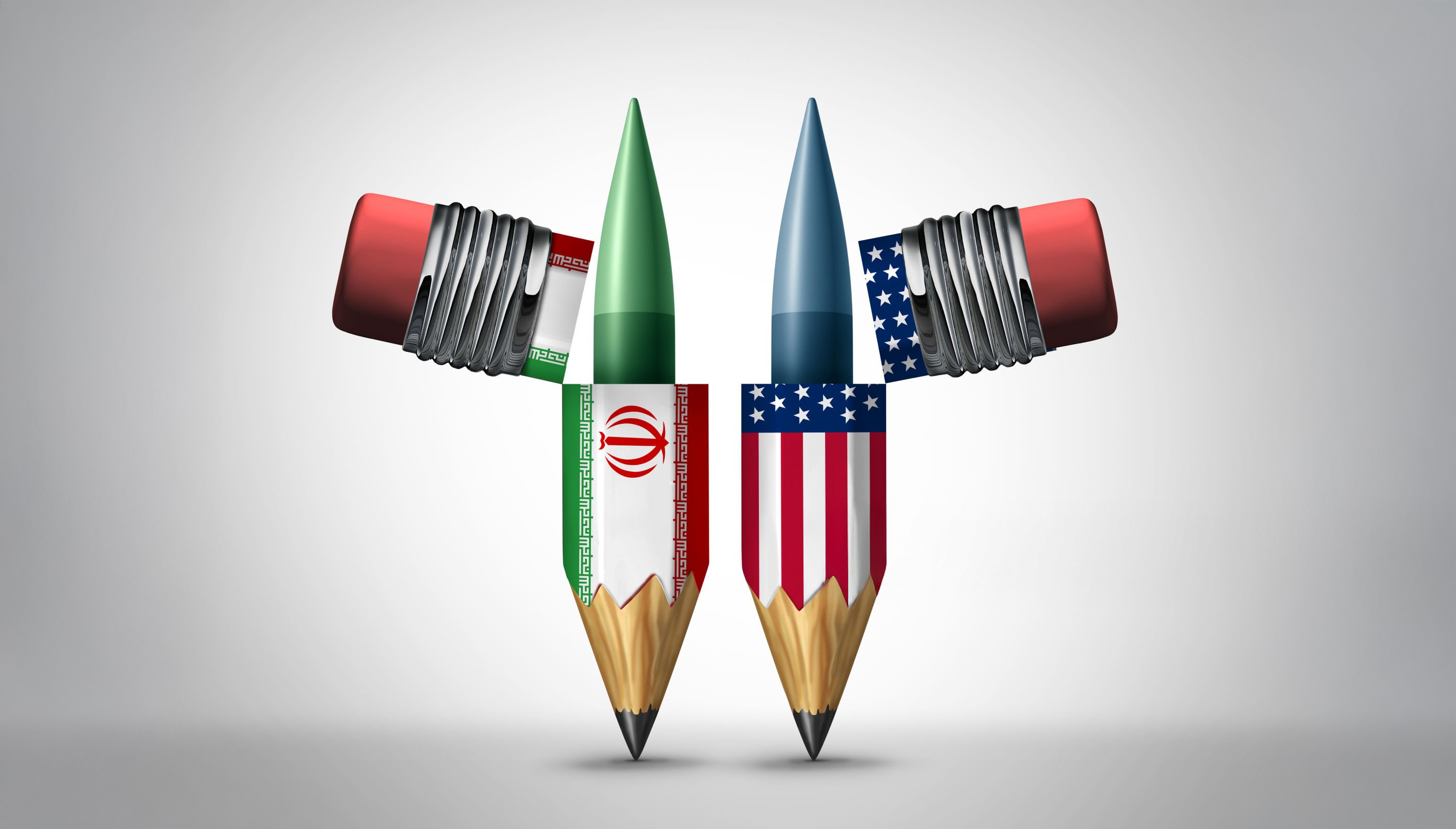
US forces disabled an Iran-linked tanker approaching Kharg Island in the early hours of Thursday, the first strike near Iran's main oil export terminal since Washington resumed its naval blockade of Iranian ports at 4pm Wednesday. This morning's Geopolitical desk piece flagged the shift from transit-risk to production-risk as the escalation to watch. By midday it had happened.
WTI crude tracked the escalation almost exactly as that framework anticipated, crossing $80 for the first time this year before easing back to $79.07 in Thursday afternoon trading. Gold moved the opposite direction entirely, and that divergence is the story the morning could not have told on its own.
The Divergence the Morning Set Up
Gold fell $52.70 Thursday to $3,999.10, its first move below $4,000 since June, on the same day US forces struck near the export terminal this morning's Behavioural desk piece used as its mental accounting case study. A tail risk that should send investors toward the classic geopolitical hedge instead sent gold through a psychological floor. That is not noise. It is the signal worth tracing.
WTI's climb from the low $70s in early July to above $80 this week tracks the escalation timeline exactly, while gold has moved the opposite direction since the July 13 flare-up began.
The Yield Mechanism the Tax Desk Already Named
The Government of Canada five-year yield eased to 3.15 per cent Wednesday from a mid-week peak near 3.19 per cent, a level this morning's Tax and Wealth desk piece flagged as pulling steadily away from the CRA's 3.00 per cent prescribed rate. That spread is not a coincidence sitting beside gold's break below $4,000. It is the same mechanism working through two different accounts.
Gold pays no yield. When Canadian and US rates climb on oil-driven inflation risk rather than fall on flight-to-safety demand, the opportunity cost of holding gold rises even as the geopolitical case for holding it strengthens. Thursday's price action shows which force is currently winning. Agnico Eagle fell 2.5 per cent, Barrick and Wheaton Precious Metals more than 3 per cent each, and the loss extended across the TSX's precious metals complex even as the broader energy sector kept most of its share of the actual war premium.
The same-day divergence across seven benchmark assets shows the split running through gold, financials and crude at once, confirming this is a market-wide rate story rather than a single-sector rotation.
Seven benchmark assets measured from Wednesday's close to Thursday afternoon trading show the split running through precious metals, financials and crude at once, not through a single sector.
Why Warsh Is the Reason Yields Are Not Following the Data Down
Fed Chair Kevin Warsh told the House Financial Services Committee Tuesday that June's inflation improvement, a drop to 3.5 per cent from 4.2 per cent in May, was not mission accomplished. He offered no forward guidance on rate cuts, a stance this morning's Economy desk piece identified as hawkish rhetoric arriving after the backward-looking data had already turned. That gap is precisely why Thursday's yield move reads as a forward-looking risk premium on the Kharg Island escalation rather than a reaction to anything already published.
For a Canadian advisor, the practical read is this: the TSX's energy-versus-precious-metals split that this morning's Market desk piece covered as a sector story is currently a duration trade wearing a sector costume. If the Kharg Island risk premium fades and yields ease with it, gold has more room to recover than Thursday's price action suggests. If Washington escalates toward the terminal itself, yields likely climb further on oil-driven inflation fear, and gold's usual hedge behaviour may keep looking unusual until that yield move exhausts itself first.