
The Supply Story Didn't Change. The Price Did.
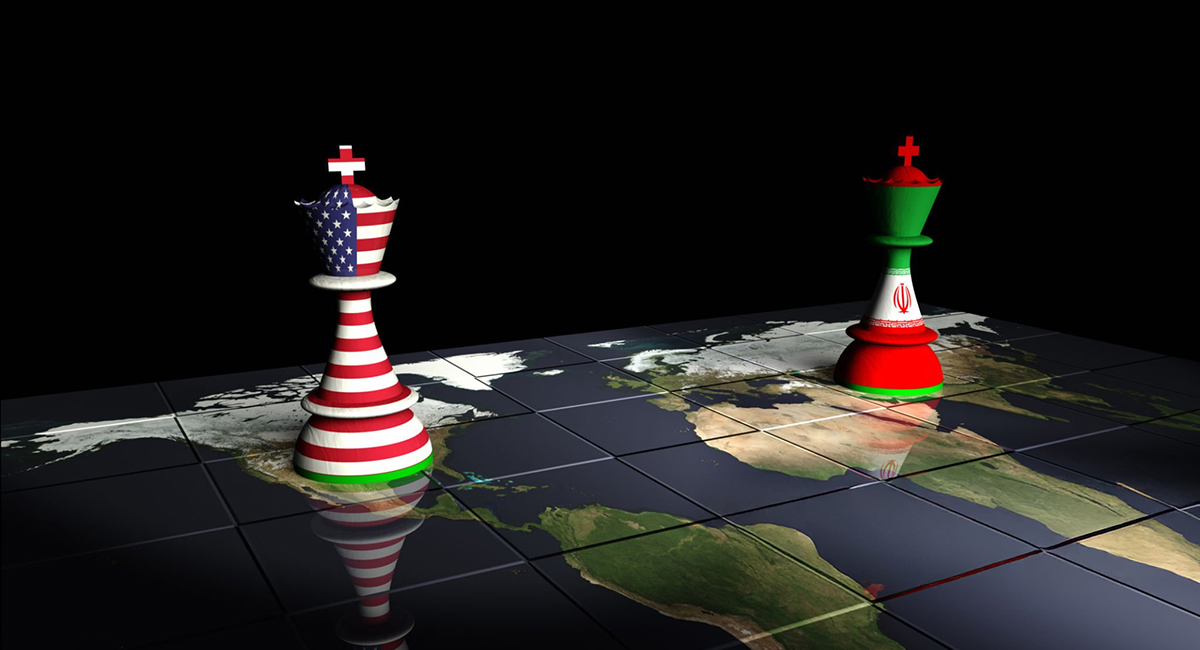
President Trump insisted this week that the United States has full control of the Strait of Hormuz. Iranian Foreign Minister Abbas Araghchi called that claim fake intelligence and warned Washington to be careful. Neither statement changed what the shipping data already shows: the strait remains effectively closed to commercial traffic, with convoys moving only under naval escort and a single vessel transiting on August 9 against a pre crisis baseline of roughly 73 ships a day. An oil spill off the Omani coast, now estimated at 500 square miles by Greenpeace, has spread to mainland Oman and reached beaches near Qeshm Island, adding an environmental crisis to a supply crisis that is already six months old.
None of that stopped Brent crude from falling below $87 a barrel on Thursday, its first decline after five consecutive sessions of gains. The mechanism connecting a still closed Hormuz to a falling oil price is demand, not supply. The Canadian portfolio implication runs through that mechanism, not through the headline rhetoric.
The Chain: Demand Cuts Are Doing What Rhetoric Cannot
The International Energy Agency lowered its global oil demand outlook this week, warning that prolonged conflict and elevated prices are increasingly weighing on consumption rather than only constraining supply. OPEC lowered its own 2026 global demand growth forecast to 580,000 barrels per day, the fourth consecutive downward revision. Two demand cuts from two different forecasting bodies, arriving in the same week that a US president and an Iranian foreign minister traded accusations over who controls the strait, is the actual story: for the first time in this crisis, weakening demand is outweighing supply fear in the price.
The mechanism for Canadian portfolios runs directly through the energy sector. The TSX Composite closed at a fourth consecutive record high this week, but energy stocks lagged the broader advance as Brent gave back its five session rally. A Canadian energy allocation built on the assumption that a closed Hormuz mechanically supports the price of what Canadian producers sell needs to account for a second variable now working against it.
Brent swung from $79.36 on August 4 to a five session high of $88.98 on August 12 before falling below $87 on Thursday, a reversal that coincided with the IEA and OPEC's latest demand downgrades rather than any change in Hormuz transit conditions.
Base Case Versus Tail Risk From Here
HDQ's base case treats the demand side as the more reliable near term signal precisely because it is boring: IEA and OPEC forecasts do not move on rhetoric, and this week's revisions are the fourth and latest in a series that has been consistent in direction for months. Under that base case, Brent likely trades in a wide but roughly stable band, with Hormuz's closure setting a floor and softening global demand setting a ceiling, and Canadian energy equities should be expected to track that range rather than a clean upward line tied to the conflict alone.
The tail risk sits on the supply side and is not small. Iran's top security official has said the strait's management will never return to its pre war structure, and the escalating war of words between Washington and Tehran this week, layered on top of an expanding environmental disaster neither side has resolved responsibility for, raises the odds of an actual supply event, a further attack, a wider blockade response, a diplomatic breakdown that reopens active hostilities around the waterway itself. That scenario would overwhelm the demand story within days, not weeks, and it is the scenario a Canadian energy allocation needs a plan for even though it is not HDQ's base case today.