
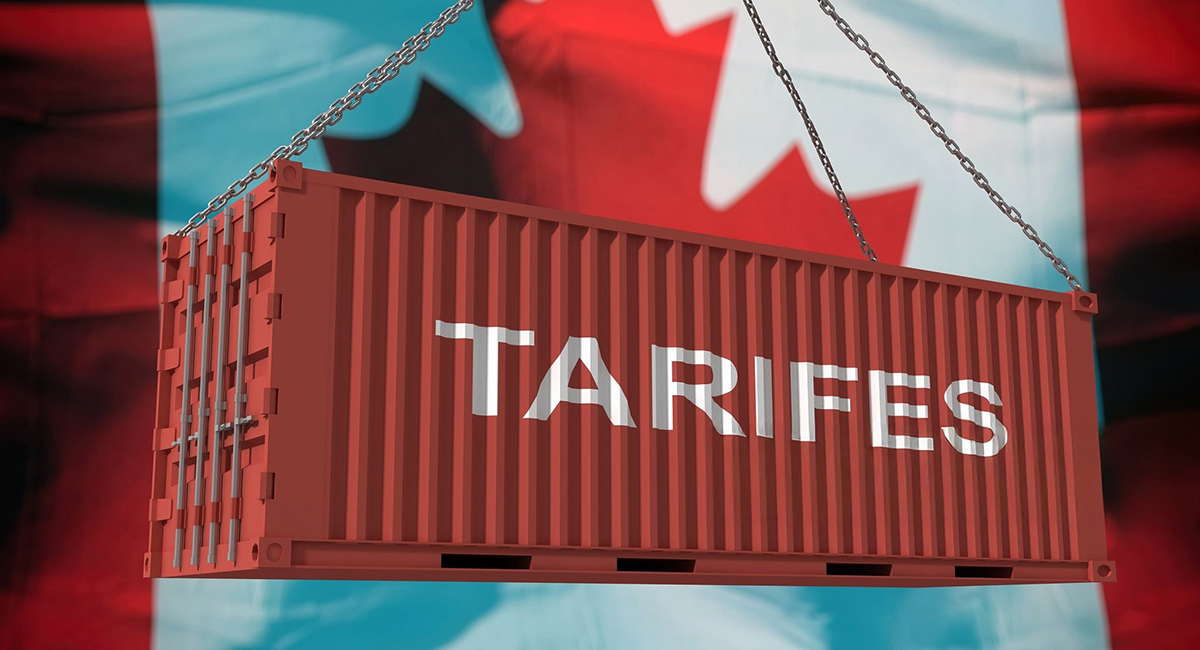
A new United States tariff on a broad range of Canadian goods takes effect at 12:01 a.m. Eastern on Tuesday, less than 24 hours from this writing. The 50 percent duty, imposed under Section 338 of the Tariff Act of 1930, covers motor vehicles, alcoholic beverages, dairy products and a longer annex list that runs to cement, plywood, furniture, hockey sticks and clothing. It applies even to goods that qualify for preferential treatment under the USMCA. There is no exemption to plan around and no comment period that delayed it. It is simply arriving.
For advisors with CCPC clients whose businesses import from or export to the United States in any of the covered categories, that timing removes the usual planning runway. The tariff itself cannot be deferred, appealed before it lands, or structured around before tomorrow. What remains within an advisor's control is how the client's corporate structure absorbs the margin hit that follows.
Confirming Exposure Comes First
The scope of the three proclamations is wider than the headline categories suggest. Beyond motor vehicles, alcohol and dairy, the underlying annexes name products across textiles, building materials, sporting goods and seeds. A business owner client who assumes their sector is unaffected because they do not sell cars, wine or cheese may still hold exposure through a supply chain input somewhere on that list. The first planning action, before any tax structuring, is confirming whether the client's CCPC has actual line items inside the covered categories, since USTR estimates the combined proclamations affect nearly 20 billion dollars in Canadian imports, roughly five percent of total US imports from Canada.
What a CCPC Can Still Control Tonight
Once exposure is confirmed, the planning bridge runs through the corporate structure rather than the tariff itself. A CCPC absorbing a sudden 50 percent cost increase on covered inputs or facing retaliatory pressure on exports will see compressed active business income this year, which changes two things advisors should be reviewing now: the timing of salary versus dividend compensation for the owner-manager, and the corporation's refundable dividend tax on hand position if margins turn negative in any quarter.
A second, more durable lever sits outside the tariff question entirely. The CRA's prescribed rate has held at 3 percent for six consecutive quarters through Q4 2026, the lowest sustained level since the rate began climbing off 1 percent in the third quarter of 2022. A prescribed rate loan structured today locks in that rate for the life of the loan, regardless of where the rate moves afterward. For a business owner using a holding company to extract capital from an operating CCPC under margin pressure, or for income splitting with a lower-income spouse through a family trust, the entry point matters more than it has in two years.
The prescribed rate is set quarterly from the average yield on three-month Government of Canada Treasury bills in the first month of the preceding quarter, rounded up. A rate locked in at loan inception applies for the life of that loan.
The Loan Strategy Mechanics
A prescribed rate loan requires interest to be paid by January 30 of the following year to remain effective; missing that date collapses the attribution rules the strategy depends on. For a holdco extracting funds from an operating CCPC, the loan must charge interest at least equal to the prescribed rate in effect when the loan is made to avoid a taxable shareholder benefit under section 80.4. Both mechanics are unchanged by the tariff shock. What has changed is the argument for acting inside this rate window rather than waiting to see how Q1 2027's rate compares, since the rate is calculated from July Treasury bill yields and this week's bond market volatility could move that calculation before the next announcement.