
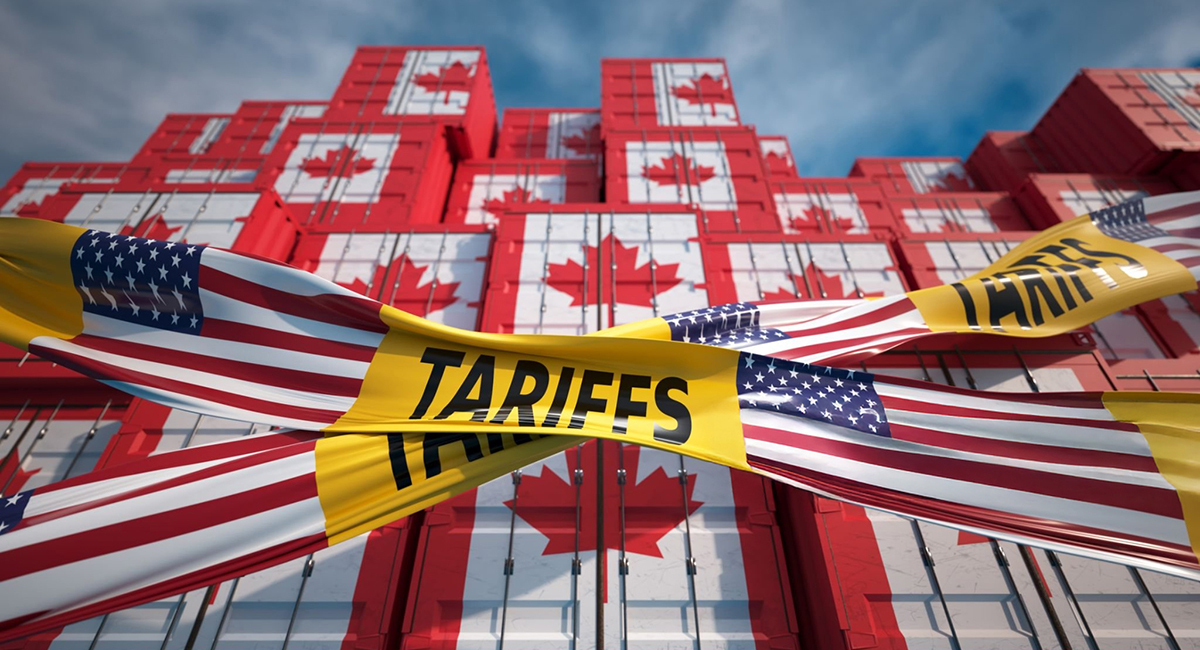
The 50 percent tariff the United States threatened against a range of Canadian goods under Section 338 of the Tariff Act of 1930 is paused until the end of the day today, and the currency market is already telling a story the headlines have not fully caught up to. USD/CAD has fallen more than one percent since August 9, with the steepest leg of the decline landing in the three sessions since the pause was announced, evidence that traders are pricing a resolution rather than a collapse.
President Trump signed three separate proclamations on July 20 invoking Section 338, a Depression-era statute never previously used this way, targeting Canadian motor vehicles, alcoholic beverages and dairy in response to what the administration calls discriminatory trade treatment. The tariffs were due to take effect August 19. Hours before the deadline, Trump paused them for three days while negotiators worked toward what he called, in a post on Truth Social, a deal subject to the finalization of documents. Prime Minister Carney's office confirmed the pause runs until end of day today, describing substantial progress with important work still to be done.
The Mechanism Reaching Well Beyond Autos, Dairy and Alcohol
The three proclamations carry their own Annex II product lists, and the coverage is broader than the headline sectors suggest. Roughly 554 tariff lines are affected, reaching into furniture, wine, plywood, cement, hockey sticks, cosmetics and textiles. USMCA origin provides no exemption. The duties stack on top of existing Section 232 tariffs already in place on Canadian steel, aluminum and autos, meaning the effective rate on some products would run well above the 50 percent headline figure if the pause expires without a deal. The US Trade Representative estimates total exposure at nearly $20 billion, about 5.2 percent of Canada's total goods exports to the United States.
What the Currency Market Is Already Telling Us
USD/CAD closed at 1.3794 on August 20, down from 1.3951 on August 9. The decline was gradual through most of the period and then accelerated once the pause was announced on August 18, continuing through the original deadline on August 19 and into Thursday's close. A currency market pricing a serious probability of a 50 percent tariff snapping into effect on a fifth of Canada's US-bound goods exports would not be strengthening the Canadian dollar into that deadline. The move so far is consistent with markets treating a deal, or at minimum a further extension, as the more likely outcome tonight.
Base Case Versus Tail Risk for Tonight
The base case, consistent with both governments' public statements and the currency market's own pricing, is that a deal is finalized before midnight or the pause is extended again while paperwork is completed. Both sides have real incentive to avoid the tariffs taking effect: nearly 72 percent of Canada's goods exports go to the United States, and the Trump administration would be imposing a tariff paid by US importers just ahead of November's midterm elections, at a time when voters are already sensitive to living costs. The tail risk is real but smaller: as recently as Tuesday, sources described the two sides as still far apart specifically on auto tariffs, with Canada's trade minister pushing for reductions to existing Section 232 duties that Washington has been reluctant to grant. A late breakdown limited to the auto annex, even if dairy and alcohol are resolved, would still be a meaningful shock to Ontario-based auto parts exporters and to sentiment more broadly given how repeatedly this deadline has already moved.
USD/CAD fell from 1.3951 to 1.3794 between August 9 and August 20 as Canada and the United States moved toward a trade agreement covering the Section 338 tariffs. The steepest decline came in the three sessions framing the tariff pause.