
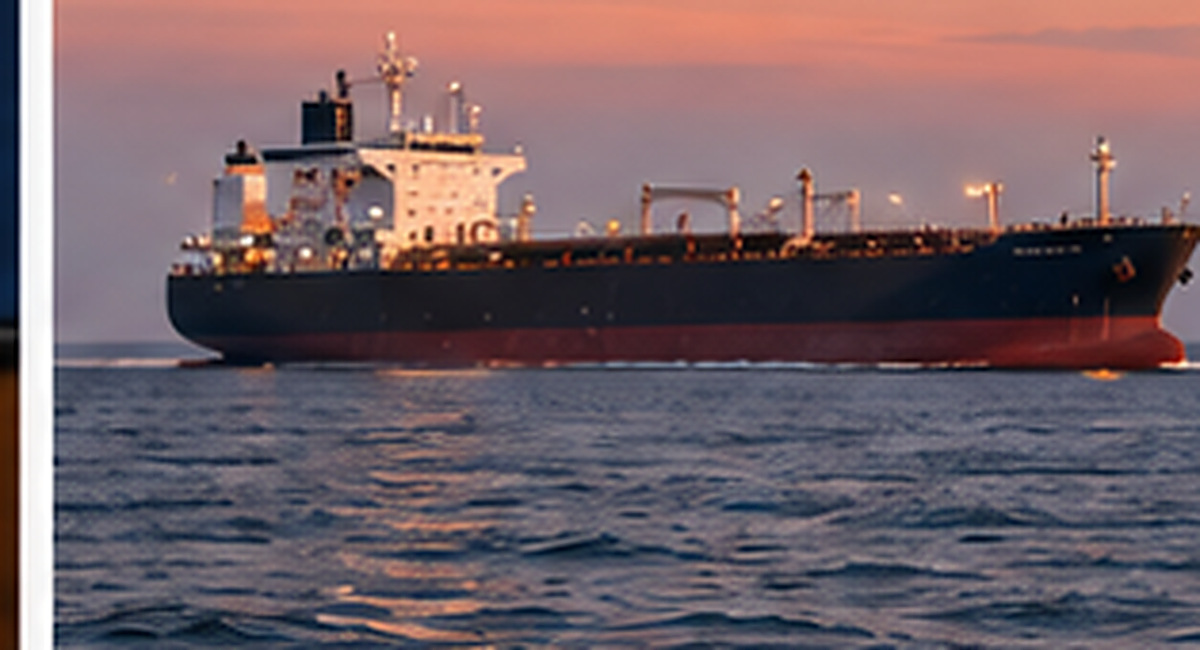
Oil prices delivered opposite judgments in consecutive sessions. Brent fell more than 8% on November 4 as markets interpreted the U.S. midterm elections and Vice President JD Vance’s comments as pressure to reduce the war in Iran. On November 5, Brent rose $3.67, or 3.88%, to $98.29 a barrel after new tanker attacks renewed concern about Gulf supply. West Texas Intermediate rose $2.40 to $90.52. The political news and the physical shipping conditions were moving on different clocks.
Reuters reported that at least five vessels had registered incidents since Sunday, November 1, based on UK Maritime Trade Operations figures. The same agency recorded 35 incidents in October, a monthly high during the war. Iran’s Revolutionary Guards asserted that tankers struck mines and that another caught fire; the details of individual incidents require attribution and should not all be presented as independently verified. The important verified point is that ships continue to report security threats while talks remain unresolved.
The Negotiation Signal Is Not a Shipping Guarantee
The November 3 midterm results cost Republicans control of both chambers of Congress and increased attention on the economic cost of the U.S.-Israeli war with Iran. Vance attributed the electoral defeat partly to the conflict. Markets saw a plausible reduction in Washington’s willingness to escalate, but Reuters reported that some sources still expected further American strikes. Those competing assessments explain why it is premature to call a political turn a ceasefire.
Qatar has been mediating exchanges between Washington and Tehran. Reuters reported that both sides were considering proposals to bridge differences, but no breakthrough had been announced. The outstanding issues include the Strait of Hormuz, sanctions, the American blockade of Iranian ports and nuclear negotiations. Each has direct implications for shipping security and insurance costs. A ceasefire announcement, if eventually reached, would still need to produce credible operational changes before firms can assume unrestricted transport.
Closing Brent futures prices for two sessions; the plotted rebound does not establish whether Gulf shipping has improved. The previous session’s decline exceeded 8%.
Oil Prices Are Paying for Two Different Risks
A barrel priced at $98.29 incorporates both the potential for diplomacy and the cost of continuing disruption. The November 5 increase is not evidence that the entire previous day’s peace trade was incorrect, any more than the earlier plunge proved the conflict was over. Markets are repricing probabilities on incomplete information. That matters for advisors because a client may be tempted to treat each move as a final verdict.
The Canadian transmission channels are familiar but distinct. Higher sustained crude prices generally support revenue for oil producers, while the gasoline and transportation effects can raise household costs and complicate the Bank of Canada’s inflation forecast. Lower oil prices can ease that price pressure but reduce cash flow at energy companies. A Canadian portfolio with both energy equities and fixed-income assets can therefore respond in offsetting ways.
Watch the Route, Not Only the Rhetoric
The next measurable evidence is whether vessel incidents fall, whether insurers adjust coverage, whether export volumes stabilize and whether an enforceable diplomatic arrangement emerges. A two-day oil price sequence alone cannot answer those questions. The duration of supply disruption is more important to inflation than a short-lived futures bounce.
Advisors should review energy concentration and the downstream effects of fuel prices on clients’ household budgets and businesses. Stress-test a lower sustained oil level and a renewed supply shock without treating either as a forecast. Until shipping normalizes, the distinction between negotiations and actual maritime security remains the decisive variable.