
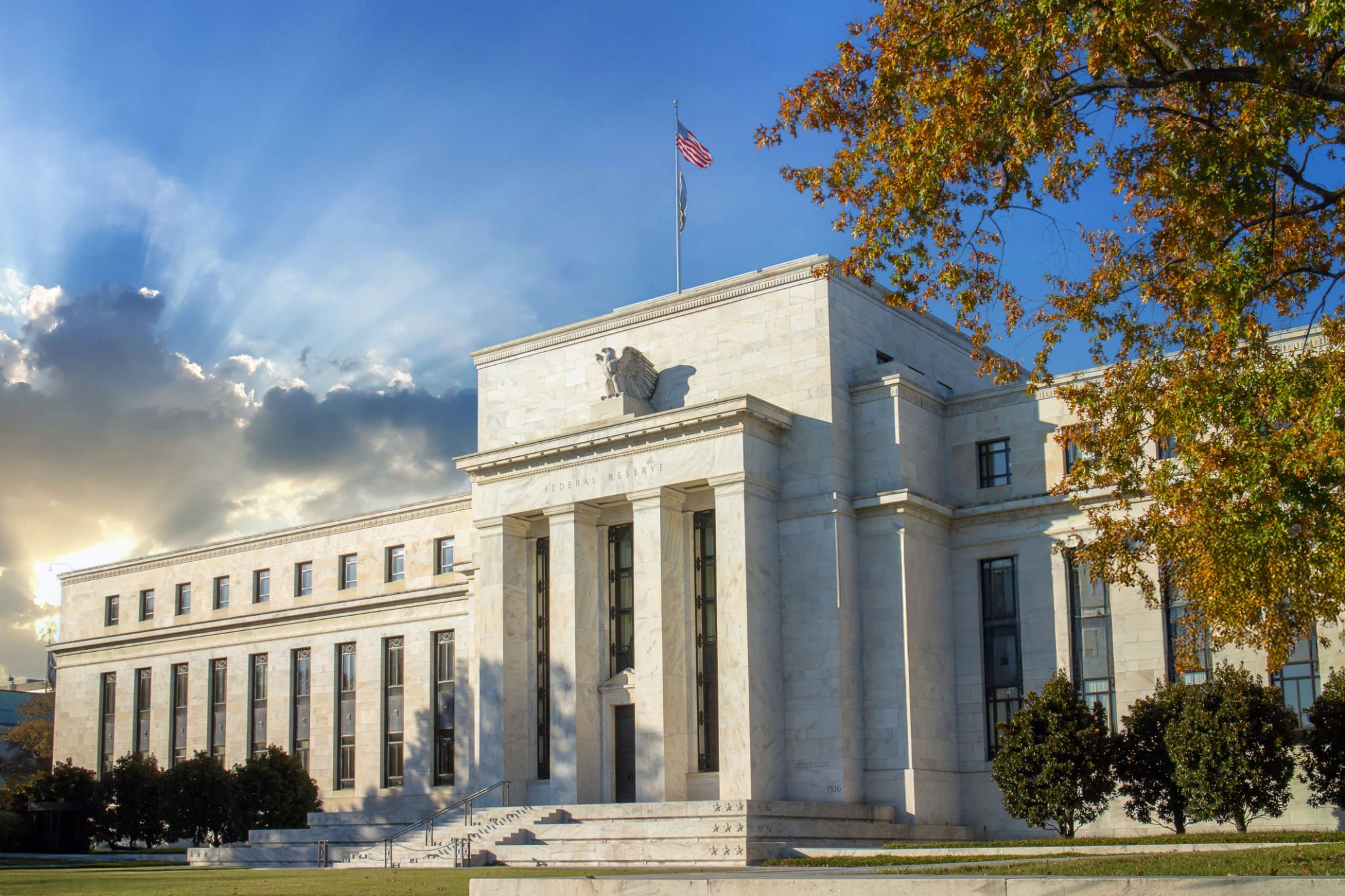
The Federal Reserve's July meeting was supposed to be routine. Instead, market pricing for a rate hike Wednesday climbed from roughly 18% on July 2 to as high as one in three by last week, according to the CME FedWatch tool, as Fed officials pointed increasingly to energy prices as the reason inflation might not be cooling as expected. Governor Christopher Waller said the balance of risks had "completely flipped" from labour market concerns to inflation. Governor Lisa Cook cited inflation running at 3.7%, well above the Fed's 2% target.
WTI crude fell more than seven per cent Monday morning. The move arrives less than 48 hours before the Federal Reserve's 2 p.m. Wednesday decision, and it removes, at least for the moment, the freshest piece of evidence behind the case for a hike.
Why Oil Became the Fed's Inflation Argument
Oil prices had risen nearly 40% in July alone as the conflict expanded from the Strait of Hormuz to the Red Sea, feeding directly into gasoline and energy components of the US inflation basket. That is the mechanism behind the hawkish shift: not a change in underlying demand, but a supply shock working its way through headline prices at the exact moment Fed Chair Kevin Warsh has told Congress he has "no tolerance" for persistently elevated inflation. Warsh's decision to abandon the forward guidance his predecessor relied on has left markets pricing the incoming data more literally than usual, with less of a sense of where the Committee's reaction function actually sits.
Canada's own inflation story has been running on a different track. The headline rate spiked to 3.2% in May, a two year high, largely on a 33.2% year over year jump in gasoline prices. It eased back to 2.8% in June as gasoline cooled to a 20.5% annual gain. Underneath both of those headline swings, the Bank of Canada's preferred core measures have moved in a straight line in the other direction all year.
CPI trim, the trimmed mean core measure Statistics Canada and the Bank of Canada both cite as a cleaner read on underlying price pressure than the headline number, has moved steadily lower through the first half of 2026.
CPI trim excludes the most extreme price changes each month before calculating the average, filtering out gasoline driven swings that move the headline number without reflecting broader price pressure.
What the BoC's Deliberations Summary Will and Won't Show
The Bank of Canada held its overnight rate at 2.25% on July 15, a sixth consecutive hold, and said in its statement that global economic prospects had been "dented" by higher oil prices stemming from the Middle East conflict since its April Monetary Policy Report. Wednesday's summary of deliberations, published two weeks after every rate decision, will lay out how seriously Governing Council weighed that risk against the core inflation trend running the opposite direction.
The timing creates an odd asymmetry. The deliberations being summarized took place before Saturday's refinery strikes and Monday's oil price reversal, so the document will describe a Governing Council reading conditions that had already shifted twice by the time Canadians read about them. The Bank's next scheduled rate announcement is not until September 2, leaving Wednesday's summary as the only formal word from Ottawa in the interim.
The Transmission That Reaches Past This Week
Government of Canada bond yields have already started pricing the shift. The 10 year yield eased to about 3.61% Monday from an over one month high near 3.66% set on July 23, tracking softer energy driven inflation expectations even before today's oil move fully worked through the market. Bond yields feed directly into fixed mortgage rates, which matter for the wave of Canadian mortgages renewing over the next two years at rates well above what borrowers locked in during 2020 and 2021. A softer path for both headline and core inflation this week does not change the Bank of Canada's calendar, but it does shape the tone Wednesday's deliberations summary is read against, and the backdrop the Bank carries into September.