
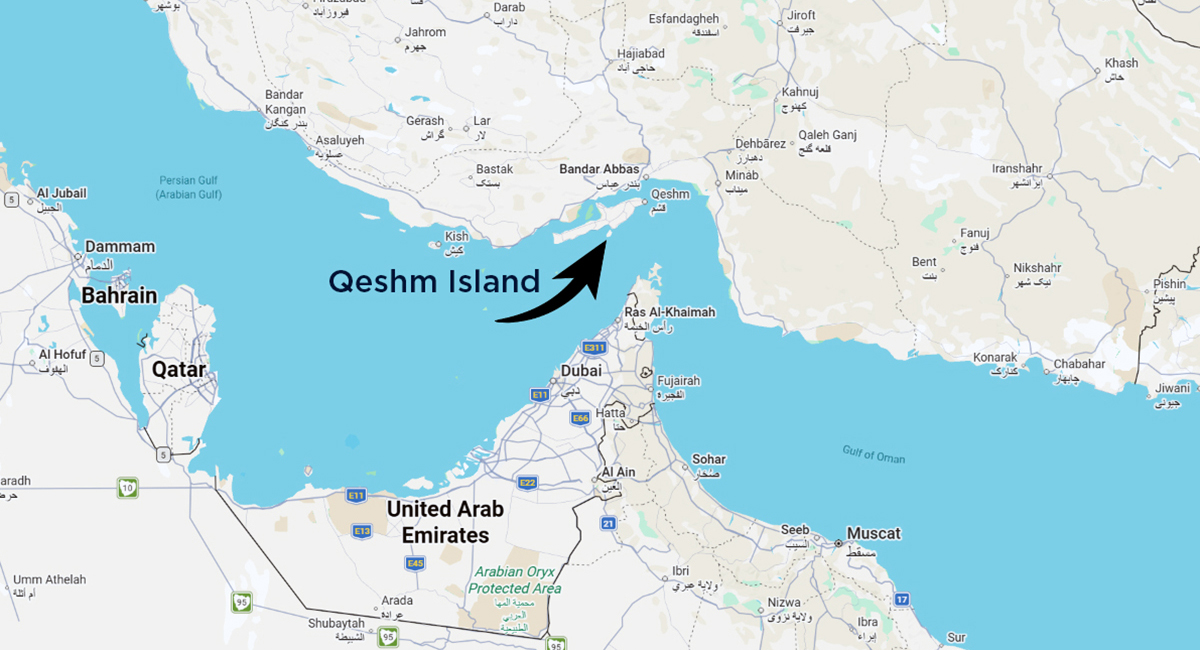
A commercial vessel was struck near Qeshm Island in the Strait of Hormuz on September 13, killing one Iranian crew member and wounding several others, according to Iranian state media and confirmed by the UK Maritime Trade Operations Centre. WTI crude closed the same session at $102.55 a barrel, the second time in four trading days it has crossed the $100 threshold that had held since May.
Shipping traffic through the strait has fallen roughly 90 percent from pre-war volumes, down from approximately 20 million barrels a day to near 2 million, according to maritime tracking data. The tanker war entered its seventh month this week with no attribution yet offered for the September 13 strike and no ceasefire under discussion.
The Chain to Canadian Portfolios
The mechanism is direct and familiar by now. Reduced Hormuz throughput removes barrels from the global market. WTI, priced globally, rises regardless of where those barrels were headed. Canadian gasoline prices, already named by the Bank of Canada as the main driver keeping CPI near 3 percent, move with WTI within days. The Canadian dollar, a commodity-linked currency, gets an offsetting lift even as the Federal Reserve prepares a possible rate increase that would ordinarily favour the US dollar instead.
The TSX energy sub-index is the direct beneficiary. Suncor and Cenovus, the two largest Canadian integrated producers, both carry meaningful upstream exposure that scales with the WTI price rather than with any single Hormuz route. That is the base case now, not a tail risk: sustained elevated oil has been the condition for two months, not a spike that has faded.
WTI has climbed from the low $80s in late August to above $100 twice in the past week, a path this chart traces against the September 13 session in which oil first pushed past the threshold analysts had flagged as the next resistance level.
WTI first closed above $100 on September 10, retreated slightly September 11, then closed at a new high September 13, the same session a vessel was struck near Qeshm Island. Source: Investing.com.
What Is Still a Tail Risk, and What Is Not
The base case, oil holding materially above where it traded in the spring, is no longer in question. What remains a tail risk is a full closure of the strait rather than a reduced-flow war of attrition. The current 2 million barrel a day residual flow, down from 20 million, still represents meaningful throughput; a genuine closure would be a different and larger shock, and nothing in the September 13 incident signals that shift specifically.
For a Canadian advisor, the distinction matters for positioning. Elevated oil in the $95 to $105 range as a sustained base case supports a different conversation than a hypothetical closure scenario would. The first is investable and largely already reflected in Canadian energy equities. The second remains a risk to flag, not a risk to price.