
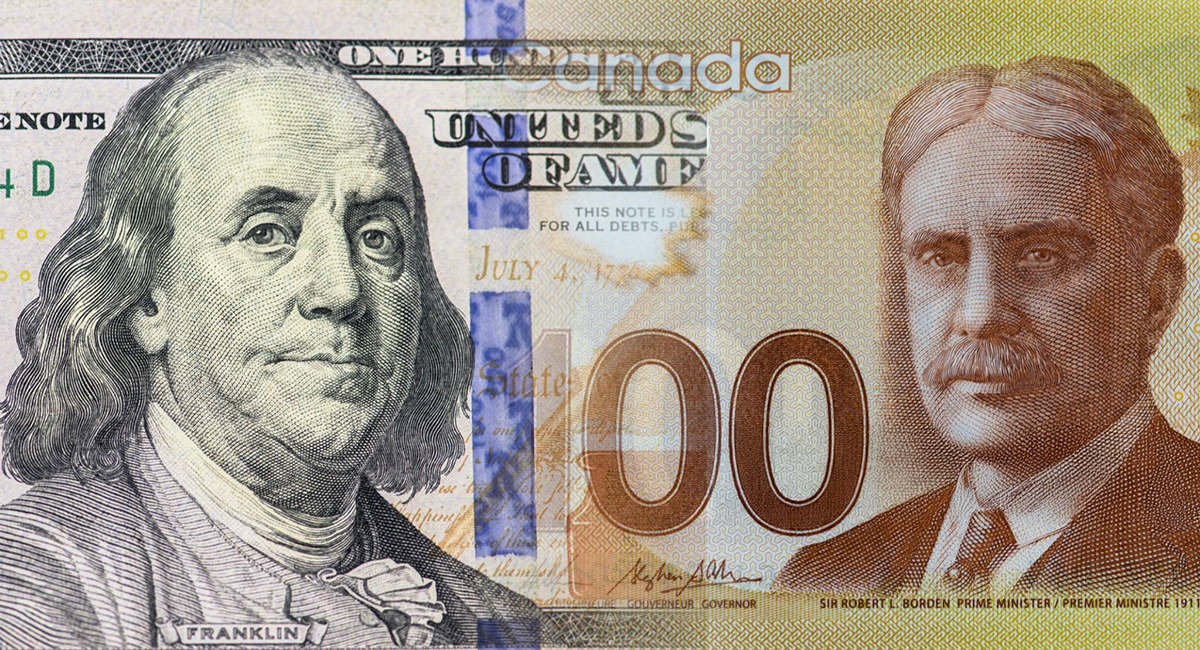
The Bank of Canada left its overnight rate at 2.25 percent on September 2, the seventh consecutive hold since January. Two days from now, on September 16, the Federal Reserve delivers a decision that markets now price as more likely a hike than a hold, the first realistic prospect of a moving Fed funds rate since Chair Kevin Warsh took office in May.
Statistics Canada publishes August CPI this morning, with consensus at 3.0 percent year over year, unchanged from July. The Bank of Canada has held its position through seven straight decisions on the view that a broadening economic recovery, GDP grew 3.3 percent in the second quarter, offsets inflation running above target on elevated gasoline prices. Governor Tiff Macklem Governing Council has explicitly flagged upside inflation risk from Middle East conflict and new tariffs without yet acting on it.
Why the Fed Is Moving and the Bank of Canada Is Not
The two central banks are reading a similar inflation picture through different economic conditions. In the United States, June headline inflation ran 3.5 percent year over year even as job growth slowed sharply, only 57,000 positions added against an expected 113,000. At the Fed meeting held July 28 to 29, the vote to hold split nine to three, with three members already pushing for a quarter point increase. Warsh has since said the Fed will deliver price stability and will not hesitate to act, language markets have read as an explicit signal toward the September meeting.
Canada has posted steadier growth without the same acceleration in headline inflation, which gives the Bank of Canada room the Fed does not have. That room is conditional. The September 2 statement from the Bank of Canada names two specific upside risks: Middle East conflict, an explicit reference to the Hormuz tanker war now in its seventh month, and the new round of Canada-United States tariffs that took effect in August. Either can turn Canadian gasoline and import prices in the same direction the Fed is already responding to.
Both central banks have held their policy rate unchanged through every 2026 decision to date, a stability this chart makes visible against the Federal Reserve meeting on September 16 that could break it first.
The Bank of Canada has not changed its policy rate at any point in 2026. The Federal Reserve has held since December 2025 but split nine to three at its July meeting, with three members already favouring an increase.
What a Split Rate Path Means for the Canadian Dollar
A Fed hike with the Bank of Canada on hold would widen the policy rate gap between the two countries for the first time this year, a mechanic that ordinarily supports the US dollar against the Canadian dollar. The Canadian dollar has actually strengthened against the US dollar over the past month, which suggests the currency market has not yet fully priced a September Fed move, or is weighing it against the Hormuz related lift to oil, a Canadian export, as a partial offset.
The next Bank of Canada decision is October 28, six weeks after the Fed acts. Between now and then, the Bank will have a full read on whether the inflation number due this morning and the Fed decision due Wednesday change the calculus that has kept Canada on hold for seven straight meetings.