
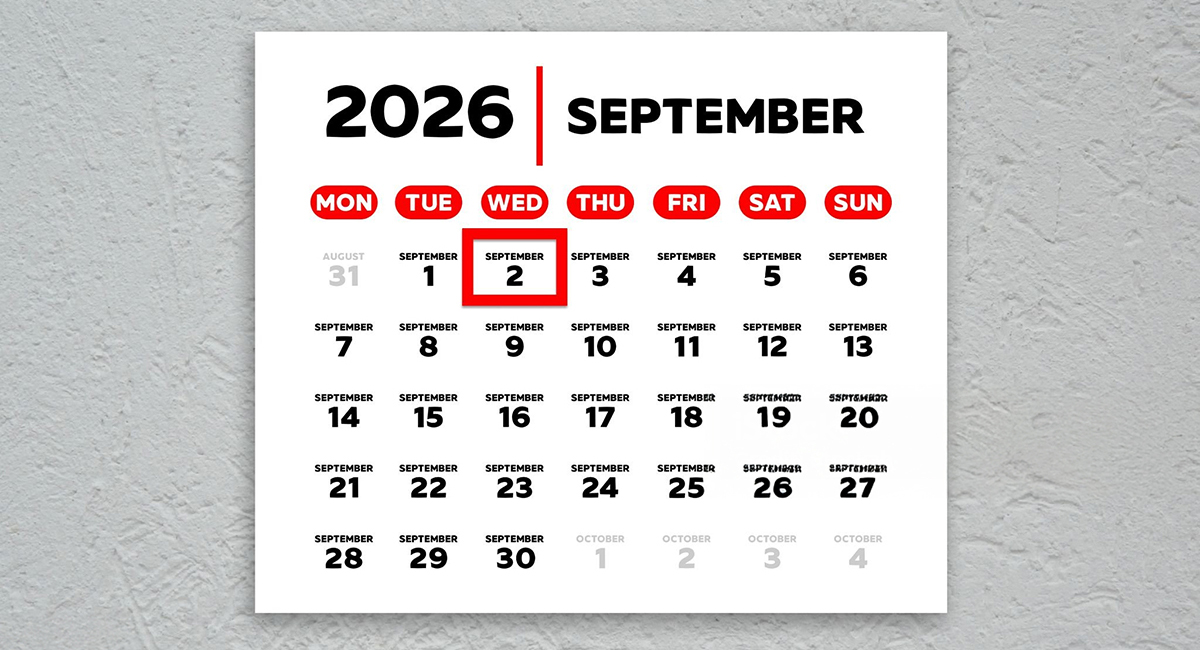
The Bank of Canada announces its rate decision Wednesday at 9:45 a.m. ET, followed by Governor Tiff Macklem's press conference at 10:30. Bond markets are pricing close to a 94% probability the Bank holds its overnight rate at 2.25% for what would be its sixth consecutive hold since the October 2025 cut, according to nesto.ca's tracking of futures pricing. TD Securities, among the sell-side desks calling for an extended hold, expects 2.25% to persist through the balance of 2026 before two 25-basis-point hikes return the rate to neutral at 2.75% in early 2027.
The data the Bank walks in with is stronger than the one it walked in with in July. Statistics Canada's preliminary estimate puts second-quarter GDP growth at 3.3% annualized, well ahead of the Bank's own 2.5% projection from its July Monetary Policy Report, driven by a rebound in exports and firm domestic demand. Employment has also improved, with the unemployment rate at 6.4% in July, its lowest level since before the tariff shock began weighing on hiring in late 2024.
The Number That Complicates a Clean Hold
Headline CPI came in at 3.0% year over year in July, up from 2.8% in June, and still below May's war-era peak of 3.2%, the fastest pace since December 2023. The acceleration since March has tracked one input closely: gasoline. Energy prices rose 3.9% year over year in March and jumped further through the spring as the Strait of Hormuz blockade cut into global supply, before easing back through June and July as flows through the strait partially resumed under the June memorandum of understanding between Iran and Oman.
Core measures have not followed headline inflation up. The trimmed-mean and median core rates the Bank weighs most heavily have held near 2% through the same stretch, which is the main reason the Bank has been comfortable holding rather than reversing course on a headline number sitting a full point above target. That comfort depends on the acceleration staying concentrated in energy and not broadening into the rest of the basket.
Headline CPI tracked the Strait of Hormuz disruption almost directly, peaking in May before easing as shipping flows partially resumed under the June MOU. Core measures held near 2% through the entire period.
What the Weekend Reopens
That energy channel is live again. US Central Command struck Iranian rocket launchers on Larak Island Sunday, the first American strike on Iranian territory in more than a month, after which Iran retaliated against US bases in Jordan and a drone was intercepted near the UAE. WTI crude was up more than 3% in Monday trading. If the exchange marks a durable break from the June MOU rather than an isolated flare-up, the same gasoline-price transmission that pushed headline CPI to 3.2% in May becomes live input for the Bank's next several decisions, not just Wednesday's.
None of this changes the base case for Wednesday. A single weekend of renewed conflict, two trading days before a scheduled decision, arrives too late to shift a call the Bank has been signalling since July. What it does is narrow the room for comfort in October and December, when a full quarter of whatever the weekend turns into will be in the data rather than a headline still being assessed.
The Second Input the Bank Did Not Have in July
Canada's retaliatory tariffs on roughly $20 billion of annual US imports, including metals, agricultural goods and motorcycles, were not fully in place at the July decision. Neither was Washington's confirmation that tariffs on Canadian autos, trucks, parts and steel rise to 50% from January 1, 2027. Tariff-driven input costs feed into core inflation through a slower, more diffuse channel than gasoline, which is exactly the kind of broadening the Bank has said it is watching for. Wednesday's opening statement is likely to say more about how the Bank is weighing that channel than about the weekend's oil move, which has not yet had time to show up in anything the Bank measures.